

Understanding Three-Phase Reactors: Essential Components in Electrical Engineering
Apr 11,2025
Three-phase reactors are critical components in the field of electrical engineering, particularly in power transmission and distribution systems. They are primarily used for controlling and limiting current, improving system stability, and enhancing the overall efficiency of electrical networks. Understanding the functionality and benefits of three-phase reactors can provide valuable insights for professionals in the industry.
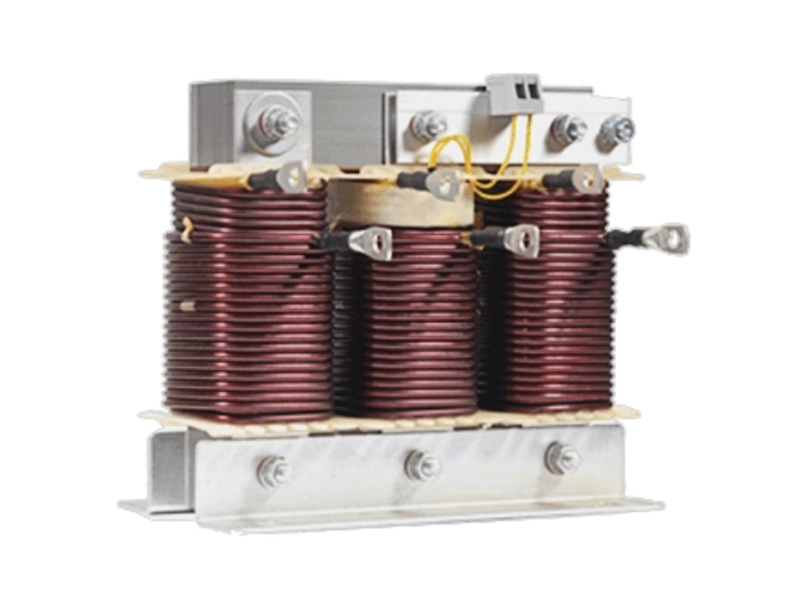
A three-phase reactor operates by utilizing electromagnetic induction to create a magnetic field, which in turn reduces the flow of current in a circuit. This is particularly important in systems that experience high inrush currents, such as during motor startups or fault conditions. By limiting these inrush currents, three-phase reactors help protect other components in the electrical system, such as transformers and generators, from damage caused by excessive current.
The design of a three-phase reactor generally consists of three separate coils, each corresponding to one phase of the power system. These coils are typically wound around a magnetic core, allowing for efficient magnetic coupling. The reactors can be classified into two main types: air-core and iron-core reactors. Air-core reactors are often used in applications where low losses are critical, while iron-core reactors are favored for their compact size and ability to handle higher power levels.
Three-phase reactors find applications in a variety of settings. They are commonly used in industrial and commercial power systems, especially where large motors and generators are in operation. Additionally, they play a vital role in harmonic filtering, voltage regulation, and reactive power compensation. In environments where power quality is a concern, three-phase reactors can help mitigate issues related to harmonics, ensuring a smoother and more reliable power supply.
One of the key advantages of incorporating three-phase reactors into electrical systems is their ability to enhance system stability. By controlling reactive power and managing voltage levels, these reactors help maintain the balance between supply and demand within the power grid. This is particularly crucial as modern electrical systems become increasingly complex and interconnected.
Moreover, three-phase reactors contribute to energy efficiency. By reducing losses associated with excessive current flow and voltage fluctuations, they allow for more efficient operation of electrical devices, ultimately leading to lower energy costs. This efficiency is increasingly important in today’s energy-conscious world, where the focus is on sustainable and cost-effective solutions.
Three-phase reactors are indispensable components in electrical engineering that serve to enhance the stability and efficiency of power transmission systems. Their ability to manage current flow and improve power quality makes them a vital part of modern electrical infrastructure. Understanding their function and applications can help professionals in the field make informed decisions about their use in various electrical systems.
Related Posts


Company's products include: EI type, ring type, R type, CD type, etc. Power transformers, filter reactors, input / output reactors, various types of filter inductors. Products are widely used in various home appliances, power equipment reactive compensation, inverter and other fields.
ZhenHua Packing Machinery


Quick Link
Contact Us
ADD:
Building 2, Yingtang Science and Technology Industrial Park, 99 Fushan Road, Hefei High-tech Zone, Anhui Province