

Understanding the Critical Role of Inductor Reactors in Power Systems
Apr 12,2025
Inductor reactors are passive electrical components primarily designed to store energy in a magnetic field when electric current flows through them. They are vital in various power system applications, helping manage reactive power, improve voltage stability, and enhance overall system performance. Understanding their role is essential for engineers, technicians, and anyone involved in electrical engineering or energy management.
How Inductor Reactors Work
At its core, an inductor reactor operates on the principle of electromagnetic induction. When current passes through the inductor's coil, a magnetic field is generated around it. This magnetic field stores energy, which can be released back into the circuit when needed. The key characteristic that distinguishes inductors from resistors is that inductors resist changes in current. This resistance to change in current is measured in henries (H) and is influenced by the coil's physical attributes, including the number of turns, the core material, and the coil's dimensions.
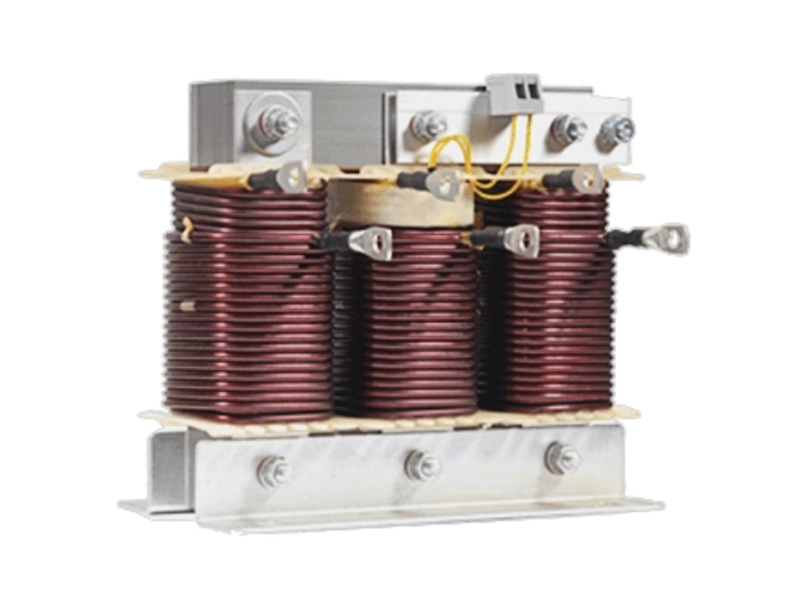
Inductor reactors are designed to manage reactive power, which is crucial for maintaining voltage levels in power systems. By either absorbing or releasing reactive power, these reactors help stabilize voltage fluctuations, ultimately contributing to the reliability of the electrical grid.
Types of Inductor Reactors
Inductor reactors can be categorized into two primary types based on their applications and configurations: shunt reactors and series reactors. Each type serves distinct purposes in power systems.
Shunt Reactors
Shunt reactors are connected in parallel to the power system. Their primary function is to absorb excess reactive power, which is often generated during low-load conditions. By doing so, shunt reactors help improve voltage stability on transmission lines, especially during periods of low demand or light loading. They are particularly beneficial in long-distance transmission lines where reactive power flow can lead to voltage rise.
Series Reactors
In contrast, series reactors are connected in series with the power system. They are primarily used to limit short-circuit currents and control power flow in the system. By introducing inductance into the circuit, series reactors help reduce the fault current level, protecting equipment and enhancing overall system reliability. They are often employed in substations and industrial applications where current limiting is critical.
Applications of Inductor Reactors in Power Systems
Inductor reactors play a vital role in various applications within power systems. Here are some of their key uses:
1. Voltage Control
Inductor reactors are crucial for voltage control in transmission and distribution networks. By managing reactive power, they help maintain voltage levels within acceptable limits, preventing equipment damage and optimizing energy delivery.
2. Power Factor Correction
In industries where inductive loads are prevalent, such as motors and transformers, inductor reactors can help improve the power factor. By reducing the lagging reactive power, they enhance the efficiency of the system, minimizing losses and lowering electricity costs.
3. Harmonic Filtering
Inductor reactors are also used in conjunction with capacitors to create harmonic filters. These filters mitigate harmonics generated by non-linear loads, ensuring a cleaner power supply and reducing potential interference with sensitive equipment.
4. Short-Circuit Protection
Series reactors provide vital short-circuit protection by limiting the fault current during electrical faults. This protection helps safeguard transformers, generators, and other critical components from damage, improving system reliability.
Benefits of Using Inductor Reactors
The incorporation of inductor reactors in power systems offers numerous advantages:
1. Enhanced Voltage Stability
By effectively managing reactive power, inductor reactors enhance voltage stability across the power system, ensuring that voltage levels remain within specified limits.
2. Improved System Efficiency
Inductor reactors contribute to improved overall system efficiency by reducing energy losses associated with reactive loads. By optimizing power factor, they help lower electricity costs for consumers.
3. Protection of Equipment
Inductor reactors provide crucial protection for electrical equipment by limiting fault currents and managing voltage levels during disturbances. This protection extends the lifespan of transformers, generators, and other components.
4. Flexibility and Adaptability
Inductor reactors are versatile components that can be tailored to fit various applications, making them essential in both industrial and utility power systems. Their adaptability allows them to be deployed in diverse scenarios to meet specific electrical demands.
Design Considerations for Inductor Reactors
The design of inductor reactors involves careful consideration of several factors to ensure optimal performance:
1. Inductance Values
Determining the appropriate inductance value is critical for the reactor's performance. This value must align with the specific reactive power requirements of the power system it serves.
2. Core Material
The core material significantly impacts the efficiency and performance of the reactor. Common materials include silicon steel, ferrite, and toroidal cores, each offering different characteristics in terms of losses and magnetic saturation.
3. Cooling Mechanisms
Heating is a concern for inductor reactors, especially in high-power applications. Adequate cooling mechanisms, such as air or oil cooling, must be integrated into the design to prevent overheating and ensure longevity.
4. Environmental Considerations
When designing inductor reactors, it is essential to consider environmental factors, including temperature, humidity, and potential exposure to corrosive elements. These factors can influence the materials used and the reactor's overall durability.
Maintenance and Troubleshooting of Inductor Reactors
Regular maintenance of inductor reactors is essential for ensuring their reliability and performance. Here are some key maintenance practices:
1. Visual Inspections
Conduct regular visual inspections to check for physical damage, corrosion, or loose connections. Early detection of issues can prevent costly repairs and downtime.
2. Testing Inductance
Using specialized equipment, periodically test the inductance values to ensure they remain within specified limits. Adjustments or replacements may be necessary if significant deviations are observed.
3. Monitoring Temperature
Monitor the operating temperature of inductor reactors to prevent overheating. Implement cooling solutions if temperatures exceed recommended levels.
4. Troubleshooting Common Issues
Common issues may include excessive heating, abnormal noise, or reduced performance. Troubleshoot by examining connections, testing components, and replacing faulty parts as needed.
Inductor reactors are indispensable components in modern power systems, playing a pivotal role in maintaining voltage stability, improving system efficiency, and protecting electrical equipment. By understanding their design, types, applications, and maintenance requirements, professionals in the electrical engineering field can effectively leverage these components to enhance the performance of power systems. As the demand for reliable and efficient energy solutions continues to grow, the significance of inductor reactors will undoubtedly increase, making them a vital focus for future advancements in electrical infrastructure.
Related Posts


Company's products include: EI type, ring type, R type, CD type, etc. Power transformers, filter reactors, input / output reactors, various types of filter inductors. Products are widely used in various home appliances, power equipment reactive compensation, inverter and other fields.
ZhenHua Packing Machinery


Quick Link
Contact Us
ADD:
Building 2, Yingtang Science and Technology Industrial Park, 99 Fushan Road, Hefei High-tech Zone, Anhui Province