

Exploring the Advantages of New High-Frequency Switching Transformers
Jun 10,2025
High-frequency switching transformers are specialized devices engineered to convert electrical energy while operating at significantly higher frequencies compared to traditional transformers. These transformers typically function within a frequency range of 20 kHz to several megahertz. Unlike standard transformers, which operate at power line frequencies (50/60 Hz), high-frequency transformers enable more efficient energy transfer and reduced size.
The core material and design significantly impact the performance of high-frequency transformers. Utilizing materials such as ferrite or amorphous steel allows for lower losses and improved efficiency. These transformers are indispensable in various power electronics applications, including power supplies, electric vehicles, and renewable energy systems.
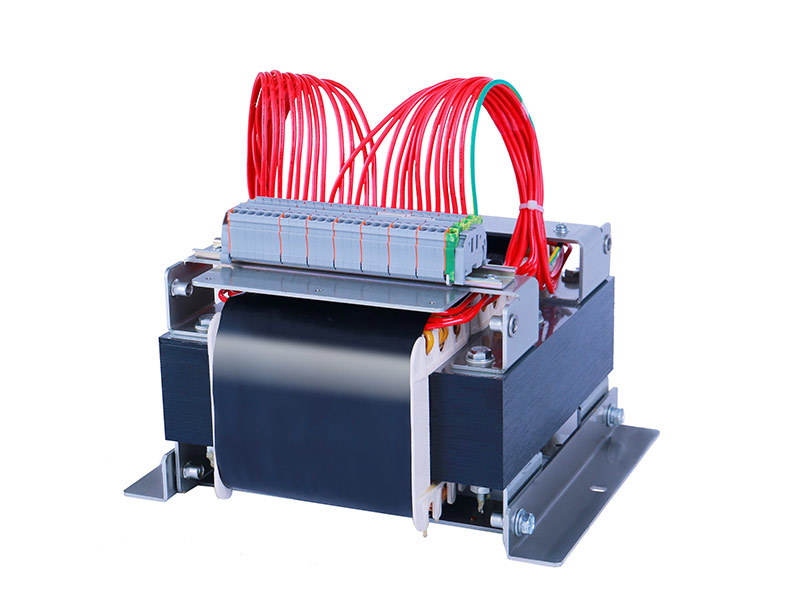
Key Advantages of High-Frequency Switching Transformers
1. Compact Size and Lightweight Design
One of the most significant advantages of high-frequency switching transformers is their compact size. Operating at higher frequencies allows for smaller core dimensions and reduced wire lengths. This results in **lighter** transformers that take up less space, making them ideal for applications where weight and footprint are critical factors, such as in portable devices and electric vehicles.
2. Enhanced Energy Efficiency
High-frequency switching transformers demonstrate superior energy efficiency compared to traditional counterparts. The reduced core losses and improved magnetic coupling lead to better performance metrics. In many cases, these transformers can achieve efficiencies exceeding 95%. This level of efficiency is particularly beneficial in applications where energy conservation is paramount, contributing to lower operational costs and reduced environmental impact.
3. Improved Thermal Management
The design of high-frequency transformers inherently allows for better thermal management. With reduced losses, there’s less heat generation, which means less heat dissipation is required. This feature is essential in applications such as power supplies where excessive heat can lead to component failure and diminished performance. By maintaining optimal operating temperatures, these transformers extend the lifespan of electronic devices.
4. Versatility in Applications
High-frequency switching transformers are versatile and adaptable for various applications. From consumer electronics to industrial automation, these transformers play a crucial role in powering devices with different voltage and current requirements. Their ability to handle a wide range of input and output specifications makes them suitable for use in telecommunications, renewable energy systems, and electric vehicle charging stations.
5. Enhanced Performance in Switching Applications
High-frequency transformers excel in switching applications due to their rapid response times and minimized switching losses. This characteristic is vital in modern power electronics, where fast switching is essential for maintaining efficiency and performance. As devices become more sophisticated and demand higher performance, high-frequency transformers offer a reliable solution.
Applications of High-Frequency Switching Transformers
High-frequency switching transformers find numerous applications across various industries. Below are some key areas where these transformers are making a significant impact:
1. Power Supply Units
Power supply units (PSUs) for computers, telecommunications equipment, and industrial machinery increasingly rely on high-frequency switching transformers. Their ability to efficiently convert AC to DC power while minimizing size makes them ideal for modern energy-efficient power supplies.
2. Electric Vehicles
In the electric vehicle sector, high-frequency transformers are essential for battery management systems and charging stations. Their compact size and efficiency help improve the overall performance and range of electric vehicles, making them more attractive to consumers.
3. Renewable Energy Systems
High-frequency switching transformers play a crucial role in renewable energy systems, particularly in solar inverters and wind turbine converters. They help optimize energy conversion and ensure that renewable energy sources can efficiently supply power to the grid.
4. Telecommunications
Telecommunications equipment, such as routers and switches, requires efficient power conversion to maintain performance. High-frequency transformers ensure that these devices operate efficiently while providing consistent power to support data transmission.
5. Industrial Automation
In industrial automation, high-frequency transformers are used in servo drives, motor controllers, and other applications that require precise power management. Their efficiency and responsiveness contribute to improved productivity and reduced downtime in manufacturing processes.
Technological Advancements in Transformer Design
The design and manufacturing of high-frequency switching transformers have evolved significantly over recent years. Innovations include:
1. Advanced Core Materials
The use of advanced core materials such as ferrite and amorphous metals has led to reduced core losses and improved performance. These materials allow transformers to operate efficiently at higher frequencies without compromising performance.
2. Enhanced Winding Techniques
Improved winding techniques, including thin-film and printed circuit board (PCB) windings, contribute to the size reduction and efficiency of high-frequency transformers. These techniques allow for precise control over winding geometry, leading to better energy transfer and reduced losses.
3. Integration with Power Electronics
The integration of high-frequency transformers with modern power electronics has paved the way for new applications. By combining these transformers with advanced switching devices like MOSFETs and IGBTs, engineers can design more compact and efficient power systems.
Impact on Energy Efficiency and Sustainability
The adoption of high-frequency switching transformers has a profound impact on energy efficiency and sustainability. By enabling more efficient power conversion, these transformers contribute to lower energy consumption across various applications. This reduction in energy usage not only leads to cost savings for consumers but also supports global efforts to reduce carbon emissions and promote sustainable energy practices.
Moreover, high-frequency transformers facilitate the integration of renewable energy sources into the grid by optimizing energy conversion processes. As societies increasingly prioritize sustainability, these transformers will play a crucial role in enabling a more energy-efficient future.
Challenges and Considerations
While high-frequency switching transformers offer numerous advantages, they are not without challenges. Some considerations include:
1. Complexity in Design
The design of high-frequency transformers can be more complex than traditional transformers. Engineers must carefully consider various factors, including core material selection, winding techniques, and thermal management, to ensure optimal performance.
2. Cost Factors
High-frequency transformers can demand higher initial costs due to advanced materials and design intricacies. However, the long-term energy savings and performance benefits often outweigh these initial investments.
3. EMI and RFI Concerns
Operating at high frequencies can lead to electromagnetic interference (EMI) and radio-frequency interference (RFI). Engineers must implement proper shielding and filtering techniques to minimize these effects and ensure compliance with regulatory standards.
Future Trends in High-Frequency Switching Transformers
The future of high-frequency switching transformers appears promising, with several emerging trends on the horizon:
1. Increased Adoption in Emerging Technologies
As industries continue to embrace technologies like electric vehicles, IoT devices, and renewable energy solutions, the demand for high-frequency switching transformers will likely increase. These technologies require efficient power conversion solutions that can keep pace with rapid advancements.
2. Ongoing Research and Development
Ongoing R&D efforts will focus on enhancing the efficiency and performance of high-frequency transformers. Innovations in materials science, design, and manufacturing processes will contribute to even greater advancements in transformer technology.
3. Integration with Smart Grid Technologies
The integration of high-frequency switching transformers with smart grid technologies will enable more efficient energy distribution and management. This integration is vital for optimizing energy usage, enhancing reliability, and promoting sustainability.
New high-frequency switching transformers present numerous advantages that are reshaping the landscape of electrical engineering. Their compact size, enhanced efficiency, and versatility make them fundamental components in modern power applications. As technology continues to advance, the role of these transformers will only become more significant, paving the way for innovations that promote energy conservation and sustainability in a rapidly evolving world. Embracing these advancements positions industries to thrive in an increasingly efficient and eco-conscious future.
Related Posts


Company's products include: EI type, ring type, R type, CD type, etc. Power transformers, filter reactors, input / output reactors, various types of filter inductors. Products are widely used in various home appliances, power equipment reactive compensation, inverter and other fields.
ZhenHua Packing Machinery


Quick Link
Contact Us
ADD:
Building 2, Yingtang Science and Technology Industrial Park, 99 Fushan Road, Hefei High-tech Zone, Anhui Province